
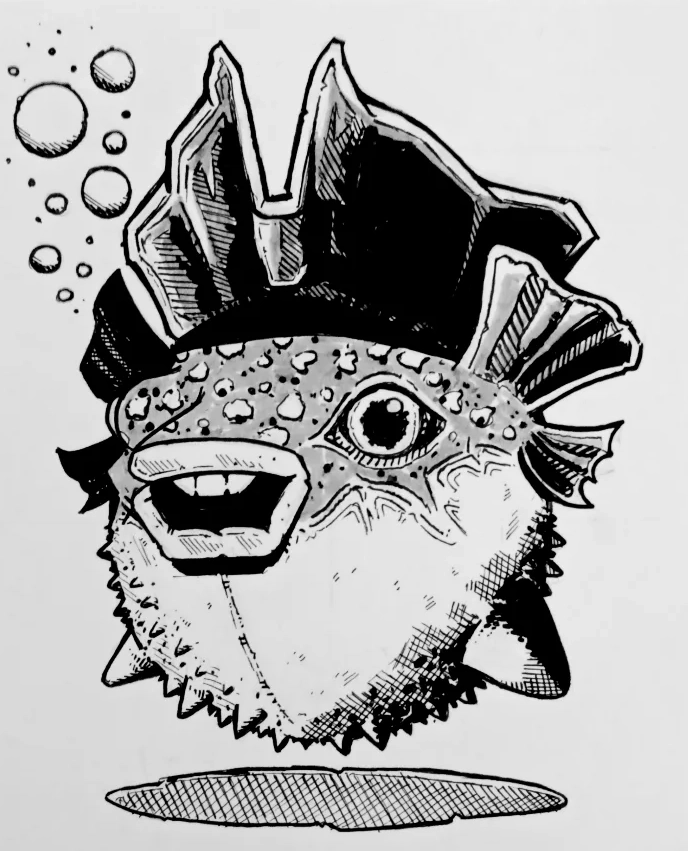
Alessandro Scarato is a visual creator known for high-contrast black-and-white ink illustration blending dark fantasy and sequential comic book layouts. Through intricate line work and multi-panel narrative storytelling, he creates work that explores surrealism imbued with cosmic scale. Alessandro Scarato shares a diverse portfolio including imposing architecture, vast crowds, and multi-eyed celestial entities mostly through adventures of “Andrew Warsavia”.
- Name: Alessandro Scarato
- Location: Italy
- Mediums: Traditional ink on paper
- Style: fineliners, high-contrast black shading, cross-hatching, and stippling.
- Themes: Cosmic horror, dark fantasy illustration, ancient and monumental architecture.
Artistic Philosophy & The Viewer Experience
The practice of Alessandro Scarato centers on high-contrast world-building. He utilizes pen work and multi-panel layouts. The resulting images display vast landscapes and immense scale.
The visual language anchors on stark line weight, dense texturing, and high contrast. The work excludes color. Themes of isolation, mythic fantasy, and psychological tension emerge through these physical markers.
The body of work presents humanity as small against colossal forces. The viewer observes this contrast.
Artistic Methods & Visual Language
Sequential and Narrative Composition The artist employs panel borders and multi-tiered layouts. This method structures chronological progression and shifts in cinematic scale. The sequential flow funnels the eye through complex environments.
Contrast and Tonal Shift
Solid black ink blocks abut empty white paper. This creates extreme contrast and shadows. Dense ink clusters stabilize areas of negative space. This dynamic generates visual tension.
Texturing and Scale
Cross-hatching, stippling, and repetitive patterns compress or expand visual space. These textures render massive architectural settings and colossal entities. The technique emphasizes scale and surveillance forces.
Juxtaposition of Elements
The art blends architectural forms with grotesque elements. Examples include columns or city steps. Such juxtaposition bisects classical structures with fantasy motifs.
Influences & Inspiration
Inspiration draws from fantasy graphic novels, horror literature, and architectural design. These sources inform the world-building and sequential storytelling. The work maintains a detailed aesthetic identity.
See Alessandro’s work
Latest Pieces
- Dream Vision | Alessandro Scarato
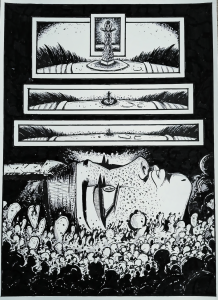 Alessandro Scarato Title: Dream VisionArtist: Alessandro ScaratoSubject: Giant head beneath sequential tower panels.Visual Style: Dark surrealist Illustration.Medium: Ink on paperColor Palette: Black & White Introduction The intersection of sequential narrative fine art illustration creates a unique space for exploring human perception and scale. The artwork under consideration exemplifies this hybrid approach, using a vertical progression… Read more: Dream Vision | Alessandro Scarato
 - Fortress | Alessandro Scarato
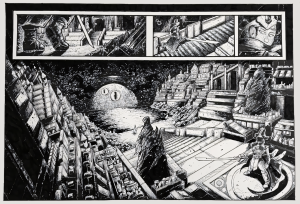 Alessandro Scarato Title: FortressArtist: Alessandro ScaratoSubject: Warrior overlooking city under giant eyed moon.Visual Style: Dark fantasy sequential comic book art.Medium: Ink on paperColor Palette: Black & White Introduction The Fortress presents a narrative. The layout utilizes panels to organize data. This format structures a sequence. Viewers encounter a story told in ink. The work balances… Read more: Fortress | Alessandro Scarato
 - The Price of Ambition | Alessandro Scarato
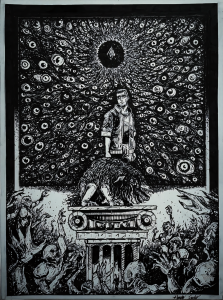 Alessandro Scarato Title: The Price of AmbitionArtist: Alessandro ScaratoSubject: Shou Tucker on an Ionic column with the chimera, above ghouls and beneath a grid of cosmic eyes enclosing a Philosopher’s StoneVisual Style: Dark surrealist narrative illustrationMedium: Ink on paperColor Palette: Black & White Introduction Monochrome art offers a view of form. The medium relies on… Read more: The Price of Ambition | Alessandro Scarato